01
Seoul
Start with the Seoul Hanok Portal’s stay directory. Compare the neighbourhood and station-to-door route for each property.
Official stay information ↗HANOK / KOREA, BEYOND SEOUL
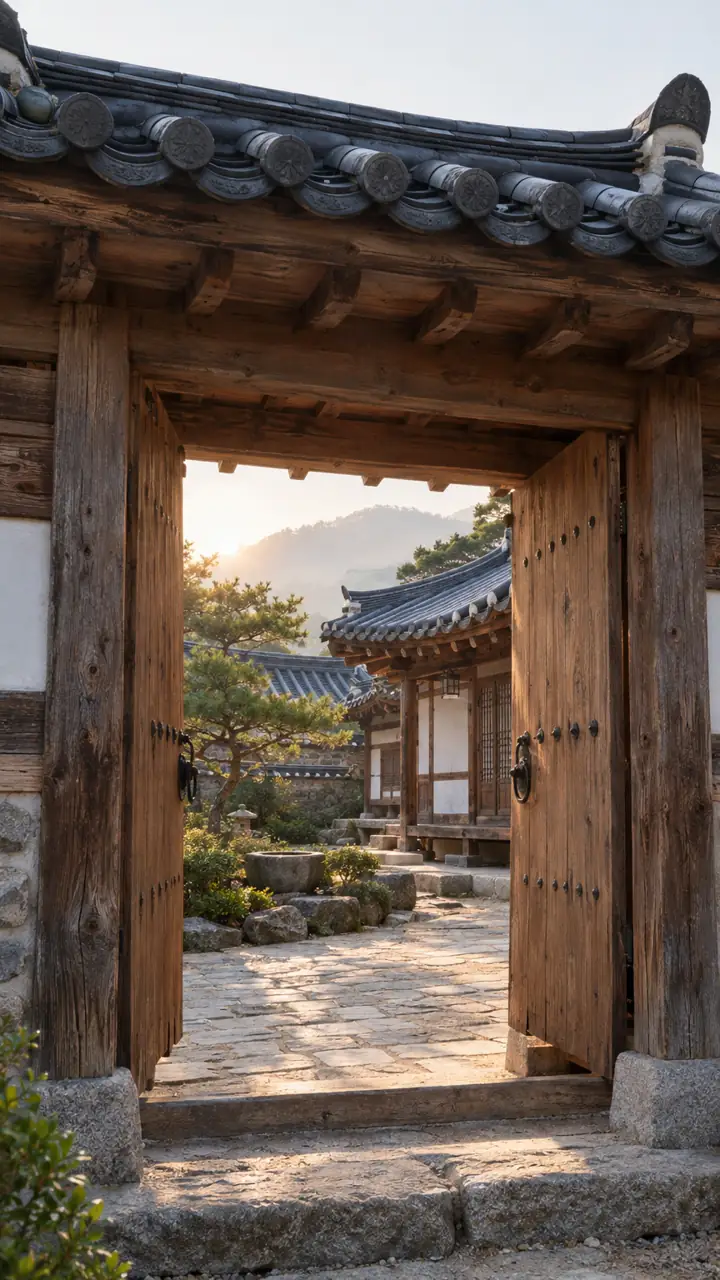
Curved eaves, warm wood and a courtyard open to the sky. Discover the spaces of a hanok, then plan a stay that suits you.
STAY / 01
A little planning makes a slower stay. Start with a region, compare the exact room, then confirm the details directly with your host.
01
Start with the Seoul Hanok Portal’s stay directory. Compare the neighbourhood and station-to-door route for each property.
Official stay information ↗02
Browse the city’s Hwangridan-gil accommodation listings. Check the exact address before combining a stay with your historic-city walks.
Official stay information ↗03
Use the official Hanok Village accommodation guide, then check parking and the final walk with your chosen host.
Official stay information ↗04
Plan an Andong heritage stay using the official tourism guide. Check whether the particular house accepts overnight guests and how to reach it.
Official stay information ↗Official links checked 3 November 2026. Listings are a starting point; confirm availability, room photos, facilities and terms with the operator.
STAY / 02
Ask about mattress thickness, bedding sets, heating and getting up from the floor.
Confirm the exact bed size, room layout and bathroom; a hanok exterior does not tell you the room facilities.
Check exclusive-use areas, shared spaces, host presence, guest limits and quiet hours.
Hanok is traditional Korean architecture. Wooden framing and a spatial relationship between rooms, maru and courtyard are central to understanding the home; layouts and modern facilities vary.
01
Traditional floor heating; check the actual room’s heating and bedding.
02
The wooden-floored space between rooms and the outdoors.
03
The courtyard brings light and open space into the home.
04
Look at the columns, beams and the structure beneath the roof.
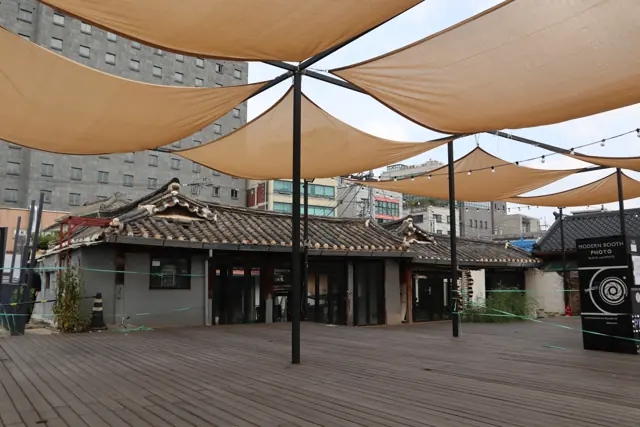
Hanok lanes meet cafés, restaurants and small shops in central Seoul. Explore on foot, then continue to nearby Insa-dong or Jongmyo.
Jongno 3-ga Station, Lines 1·3·5. Visit Seoul lists Exit 4 for the hanok street; continue on foot into the lanes.
서울 종로구 돈화문로11가길 17
Check your chosen shop’s hours, booking and waiting arrangements. Confirm any parking location and charges separately; plan the lanes on foot and keep doorways clear.
Explore Seoul’s official hanok guide for neighbourhoods, cultural spaces and accommodation information.
Official information →Plan the arrival as well as the stay. The village’s official guide lists parking and shuttle information.
Official information →The official Hanok Village reservation site distinguishes ondol and twin-bed room types. Compare the exact room before booking.
Official information →Confirm floor bedding or a bed, room capacity and seasonal heating with the operator.
Check private or shared bathroom, steps, thresholds and luggage access. Ask for room-specific photographs.
First choose the property, then check the station-to-door route, last connection, check-in time and designated parking. Village lanes may be narrow.
Keep voices low, photograph only permitted areas and follow current visitor rules. A residential house is not automatically open to visitors.
Click Biondi to chat. Drag the top bar to move this window. AI answers may need checking.
Where would you like to go?